
Latency Control
What happens when you stop living like a device?

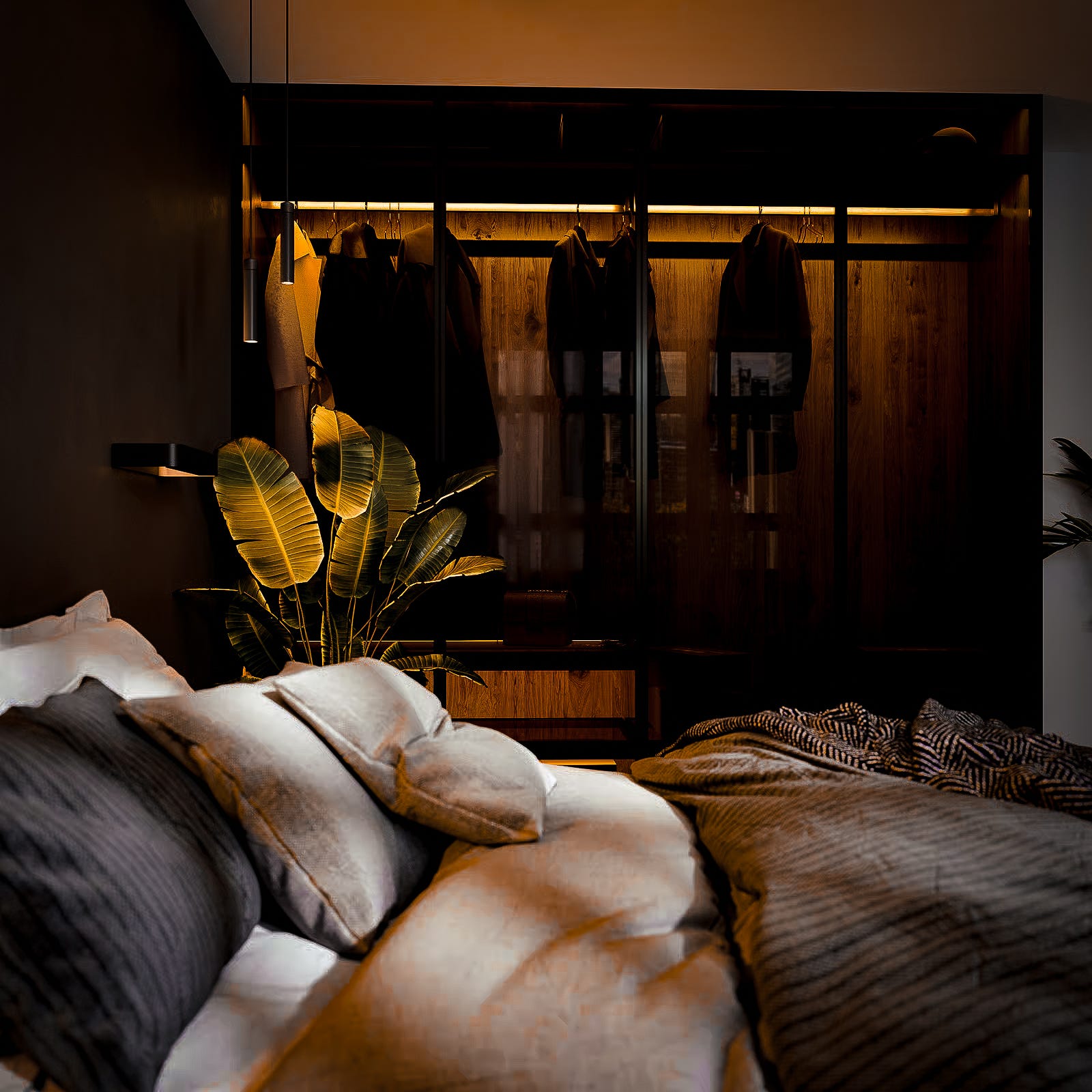
There was a stretch of time when my days felt like they were happening two seconds ahead of me. I’d wake up and reach for my phone before I reached for myself—weather, headlines, doom, dopamine. A full slot machine pull before my feet even touched the floor.
Somewhere along the way, I’d absorbed this unspoken rule that everything in my life needed to load instantly: decisions, replies, reactions, opinions. No lag, no breath, no buffer.
Human beings were never meant to behave like this.
Devices were.
Latency is the word tech uses for the delay between cause and effect. In machines, low latency is a dream. In humans, zero latency is a nervous system on fire. The space between stimulus and response isn’t inefficiency; it’s where sanity, taste, and judgment live. It’s where your life actually happens.
One morning, waiting for the espresso machine to finish its slow, steady pour, I caught myself thinking about what would happen if I designed my days the way I design my tech: deliberately, choosing what loads fast and what loads slow.
What if latency wasn’t a glitch, but a feature?
I didn’t disappear into the woods or delete my accounts or adopt a monk’s routine. I just made a decision that felt embarrassingly small: the technology could stay, but the pace had to change.
So I started inserting tiny pockets of delay into the places where I’d trained myself to react instantly.
The mornings came first. I stopped letting the internet into my day before I was even awake. No scroll, no feed, no headlines waiting to set the temperature of my mood. Instead: coffee in a mug, not a cup I’d toss, the faint hum of the city waking up behind my windows, a moment to stretch without rushing. I wrote a few lines in a notebook—not to be profound, but to be present. It changed nothing and everything. I didn’t feel like an app booting anymore. I felt like a person arriving.
Out on the street, I removed the soundtrack. No headphones. No curated mood. Just the raw audio of the city: streetcar bells, snippets of conversations, the rhythmic hiss of tires over wet pavement, dog tags clinking against collars. Thoughts started showing up in their natural order instead of being pushed aside by noise. When the world isn’t competing with your playlist, it becomes a place again—not a tunnel between obligations.
Then I slowed my output. I stopped replying instantly to every message like my worth depended on it. I gave myself ten minutes, sometimes thirty, before responding. It was enough time to breathe, but not enough time to ghost. My replies got shorter and kinder. I noticed how often my instinct was to respond from anxiety, not intention. Delay became a filter. What was real made it through. What was panic evaporated.
The hardest change was single-tasking. I’ve spent years consuming media like a buffet—show on TV, phone in hand, laptop open, half a conversation happening in my head. None of it satisfying. None of it memorable. I forced myself to watch one thing at a time, hold one screen at a time, let one thought finish before scrolling to the next. The world didn’t slow down, but I did. Shows regained texture. Work felt less like drowning. Even the email inbox seemed less hostile when it wasn’t competing with everything else.
By Friday, I was more aware of the pace I lived at than the content of the week itself. I cooked something simple and listened to a full album without skipping. I looked through old photos—creases, fingerprints, terrible lighting. I felt affection for the imperfections. It reminded me that life used to have natural delays built in. Waiting for film. Waiting for someone to show up. Waiting for plans to unfold in real time. Waiting used to be normal, not a punishment.
On the weekend, I set a new rule: minimums, not marathons. Twenty minutes of movement instead of chasing some ideal version of myself. A quick reset of the house instead of pretending I’d transform it. A glance at the week ahead instead of obsessing over it. Latency, again, but small. Manageable. Human.
The point wasn’t to reinvent my life. It was to recalibrate it.
What I learned was embarrassingly simple:
My life feels worse when everything is instant.
And better when some things are allowed to take their time.
We’ve built tools designed to erase delay—one-tap purchases, real-time reactions, same-day delivery, infinite scroll. Even our conversations mimic this speed: “What’s your take?” as if we’re supposed to have one loaded at all times. But not everything deserves immediacy. Most things don’t.
Latency control isn’t about going offline. It’s about deciding what gets your fastest self and what earns your slowest.
A friend in crisis? Instant.
A headline designed to provoke? Delay.
A notification meant to hijack your focus? Delay.
A message from someone who matters? Maybe fast.
A message from someone who doesn’t? Let the buffer spin forever.
I don’t need my body to behave like a processor. I don’t need my mind to match the speed of a machine. And I don’t need to treat every moment like something that requires a reaction.
We’re allowed to pause.
We’re allowed to think.
We’re allowed to take the long way home, or the long way through a thought.
Latency used to be a fact of life. Maybe it should be again.
If anything changed that week, it wasn’t my habits—it was my allegiance.
I stopped performing urgency for a world that isn’t keeping score.
I started choosing where the speed goes and where it doesn’t.
And that small delay, those tiny intentional lags, made the rest of my life feel like it finally had edges again.
Excellent framing of latency as a feature not a bug. The part about responding from anxiety versus intention really lands, most of us have trained ourselves to treat every ping like it's urgent when it almost never is. The single-tasking shift sounds simple but it's probaly the hardest one, we're so conditioned to input overload. What's interesting is how muchof this mirrors system design, the best architectures have deliberate buffers and delays built in.