
Manual Mode
On resisting upgrades in a world designed to make you feel obsolete.

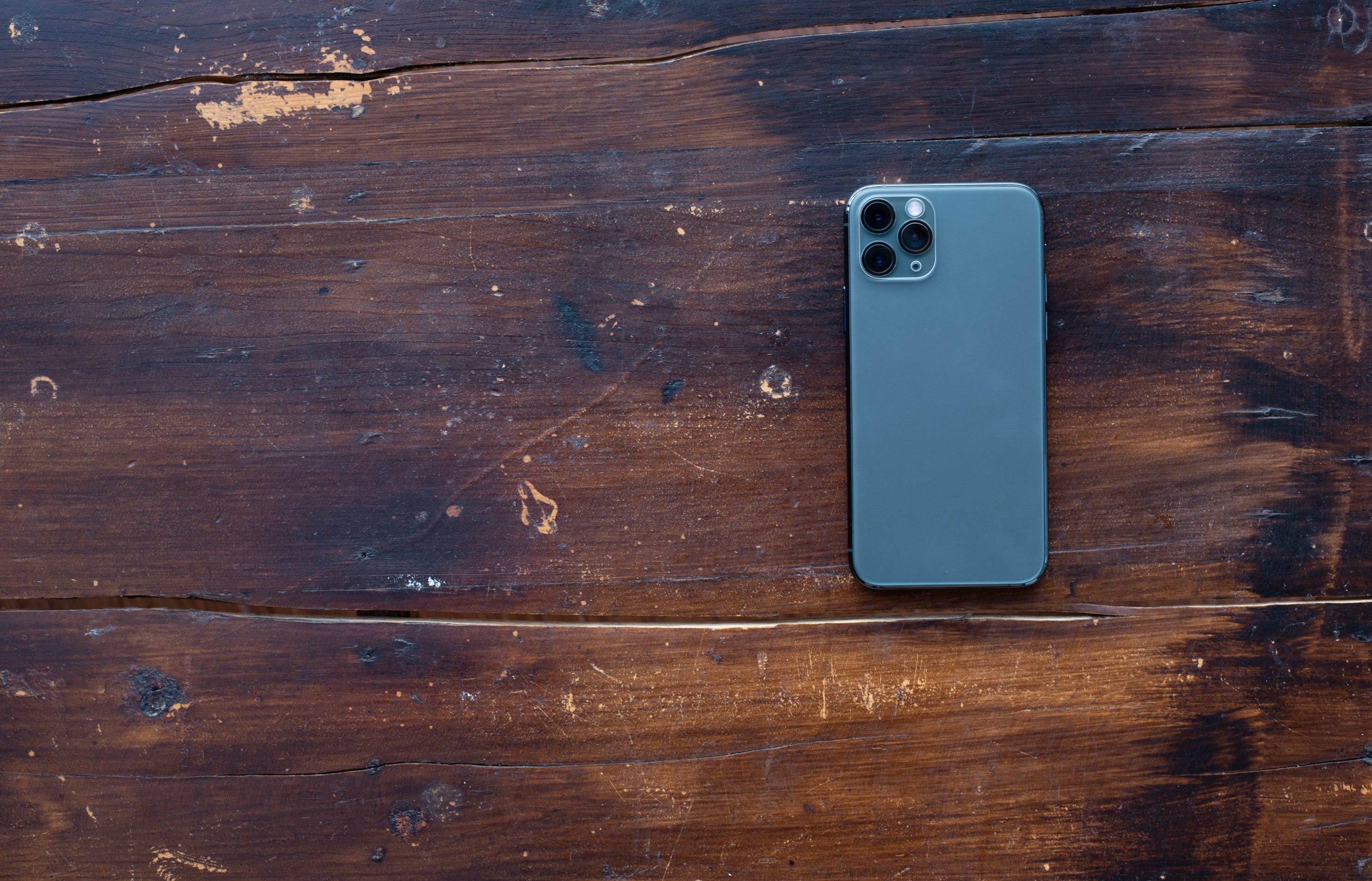
There’s a quiet dignity in keeping the thing that still works.
Not because you’re cheap.
Not because you’re behind.
But because you’ve stopped letting the world tell you that usefulness expires on a schedule.
At some point in your 40s, you stop treating your possessions like status updates and start treating them like tools. And tools don’t suddenly stop working just because a newer version exists.
That shift sneaks up on you.
One day you realize the problem isn’t that your life is outdated — it’s that everything around you is designed to make you feel like it is.
⸻
The Culture of Constant Upgrades
We live inside a system that assumes dissatisfaction is the default.
Your phone is “aging” the moment you unbox it.
Your earbuds are obsolete before the foam tips even soften.
Your laptop starts acting weird right after the warranty ends — always on a Tuesday, always when you’re just trying to send an email.
It’s not progress.
It’s churn.
Companies don’t actually want you content.
Content people don’t buy replacements.
So everything is built for novelty instead of durability, desire instead of usefulness, anticipation instead of care. We’re taught — quietly, constantly — that “new” means “better” and anything older means you’re falling behind.
The message isn’t subtle.
It’s everywhere.
And after a while, it seeps in.
⸻
The Personal Philosophy That Saved My Wallet (and My Nervous System)
Here’s mine:
I buy quality so I don’t have to think about it again for a long time.
My phone is a 15 Pro Max. One terabyte.
Not because I’m flexing — because I want the thing to last five years without drama.
And if I’m honest, part of that decision came from watching too many people panic-upgrade out of boredom, not need.
Let’s be real for a second.
When was the last time the average person filmed a 4K, 60-frame cinematic masterpiece that required a processor engineered by a team of people who probably don’t sleep?
When was the last time your mom used ProRes?
Or LiDAR?
Or anything beyond “Photo → Normal → Slightly Too Bright”?
Most people don’t even scratch the surface of what they already own — and yet every September, they line up to replace it.
I get it.
It’s not stupidity.
It’s conditioning.
We’ve been taught that staying current is a form of survival.
Meanwhile, my phone is two generations “old”, still does everything I need without hesitation. I saw that comparison test between the 15 and the 17. The difference exists, sure. But not in a way that meaningfully improves a Tuesday.
The upgrade wasn’t technological.
It was psychological.
⸻
The Pressure Loop
It’s never really about the device.
It’s about the fear underneath it:
• fear of becoming irrelevant
• fear of looking outdated
• fear of falling behind socially
• fear of missing the moment everyone else seems to be in
But here’s something your 40s teach you, whether you want the lesson or not:
Falling behind isn’t a moral failure.
And being deliberate is not the same as being obsolete.
The most grounded people I know don’t rush to replace things. They keep what works. They fix what breaks. They upgrade when it actually makes sense — not because an ad told them to feel uneasy.
That’s not resistance.
That’s discernment.
⸻
Your Body Keeps Receipts and So Does Your Bank Account
By midlife, you start noticing the cost of everything.
Not just money — but time.
Attention.
Sleep.
Stress.
That weird, tight feeling in your chest when you realize you’ve spent $1,400 just to feel briefly “current.”
The constant-upgrade lifestyle looks exciting from a distance, but it’s exhausting up close. Financially and emotionally.
Something shifts when you start doing that quieter math — the kind no spreadsheet tracks. You stop optimizing for spectacle and start optimizing for stability.
Your phone probably doesn’t need replacing.
Your energy does.
Your boundaries do.
Your habits definitely do.
And none of that gets fixed by standing in line for the newest chip.
⸻
Manual Mode in Tech = Manual Mode in Life
Manual mode isn’t about rejecting technology.
It’s about refusing to let technology decide who you are.
It looks like:
• keeping the relationship that actually works
• choosing friendships with history, not algorithms
• building a financial life that’s stable instead of aesthetic
• repairing instead of discarding
• creating more than you consume
• not panicking every time culture flashes an upgrade prompt
Manual mode is adulthood, the version that isn’t trying to impress anyone.
It’s slower.
Less flashy.
Way more sustainable.
⸻
The Closing Track
I don’t need the newest version of everything.
I don’t need to reinvent myself every year to stay relevant.
I don’t need a device to confirm my worth.
I need what lasts.
What works.
What feels intentional.
I need tools that support the life I’m actually living not the one advertisers keep pitching me between updates.
My life runs just fine on manual mode.
Honestly, it always has.
I just didn’t know I was allowed to admit it until now.