
Match Energy, Not Résumés
Apps create abundance; energy reveals truth. Here’s how I stopped auditioning and started paying attention.

Dating apps are a crowded room where no one makes eye contact. Everyone says they want depth; delay is the default. We talk like poets, plan like amateurs, and disappear like magicians. If romance used to be a mixtape, now it’s a thousand tabs playing twenty seconds of different songs. I’m not cynical about love; I’m just wary of the interface.
One week, I had three promising threads: clever banter, nostalgic references, the whole flirty concerto. We built a skyscraper of someday.
The next week, a stranger sent a simple message with a time and a place. No theatrics. No “let me circle back.” Just:
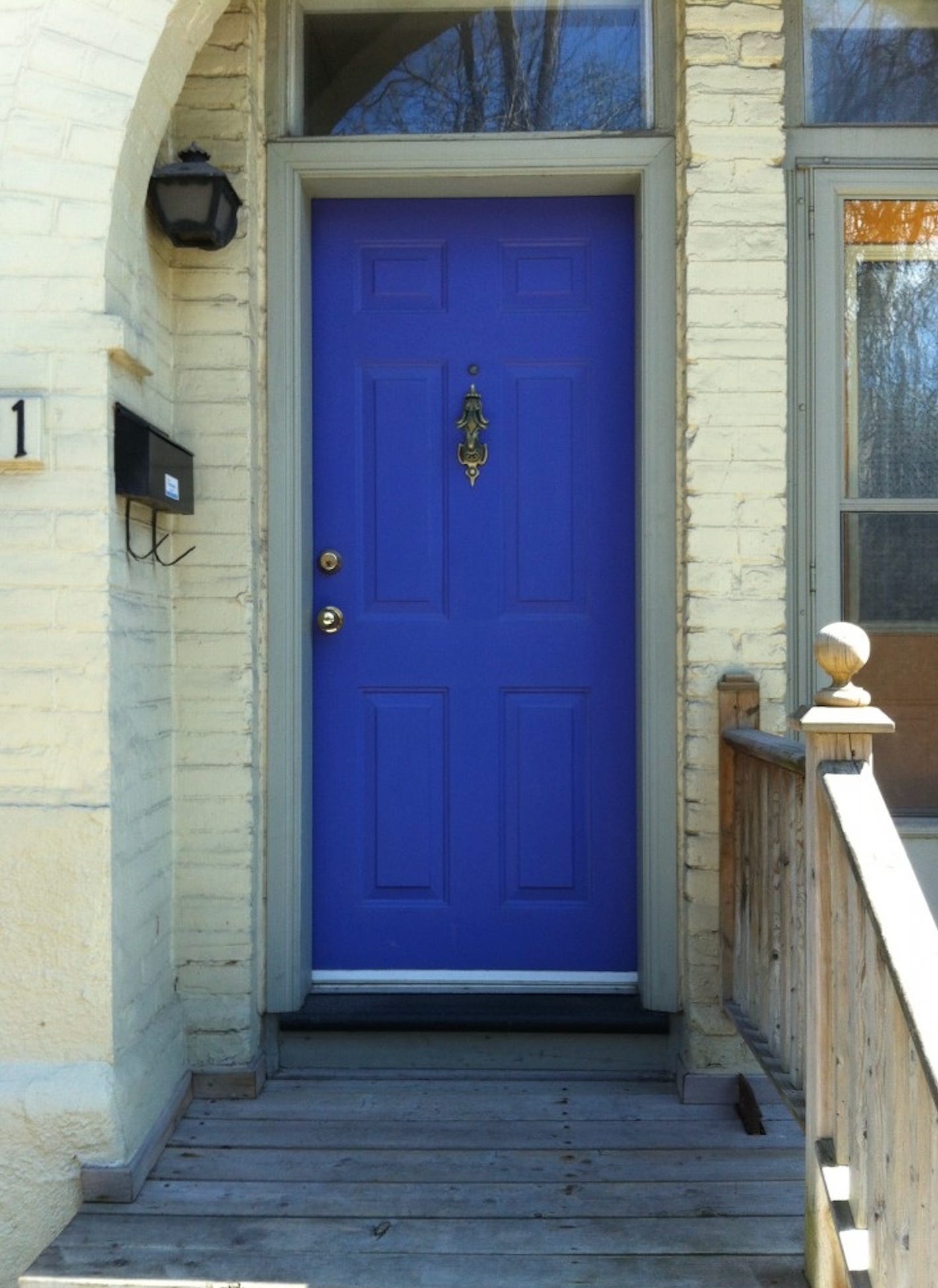
“Thursday? 7? The place with the blue door.”
The skyscraper collapsed in silence.
The blue door opened right on time.
There’s your algorithm.
Low effort isn’t the absence of effort; it’s the choreography of avoidance. It’s the placeholder text that keeps the balloon in the air: “How’s your week?” with no when, no where, no intention. It’s the calendar graveyard of “next weekend?” that never becomes a day. It’s flattery that never crosses a street.
We swim in endless choice and pretend the tide is what keeps us from shore. The truth: it’s easier to perform interest than to demonstrate it.
At a certain age—let’s call it after your emotional warranty expires—you stop rearranging your life for maybe people. You start valuing logistics as a love language. Not the grand gesture, the small competent one: choosing a spot halfway for both of you, picking an hour that doesn’t punish a workday, confirming like an adult.
It’s not unromantic. It’s the precondition for romance. Nothing drains chemistry faster than rescheduling three times because you “might” be free if the universe behaves.
What changed for me wasn’t standards; it was sequence. I used to screen on paper: height, hobbies, and curated proof of life. Now I screen for energy.
Do they ask real questions?
Suggest real times?
Answer like a person, not a press release?
A résumé can be polished into a mirror; energy leaks through the cracks.
Sometimes you match with someone dazzling on paper who texts like a ghostwriter. Accept the data. Walk away kindly. Save your generosity for the curious.
Curiosity has a temperature. You feel it. It’s the extra question, the unpretentious follow-up, the awareness that your life existed before they arrived. It’s someone who actually reads what you wrote instead of waiting for their next line to load.
You won’t quantify it on a profile.
You hear it in the details, where they suggest sitting, and whether they notice when the music is too loud for a real sentence.
Here’s the trick the apps never mention: chemistry is not a negotiation. You either have it, or you don’t, and you can’t coax it out of a reluctant person with perfect punctuation and emojis calibrated like lab equipment.
That’s a relief if you let it be. It frees you from theatrical labour. It makes rejection less personal. It makes your “no” cleaner. You stop trying to persuade and start trying to perceive.
I still believe in a good opening line. Words are my way of knocking. But there’s a difference between wit that opens a door and wit that blocks it. Cute is a spark. Commitment is oxygen.
Ask a real question.
Offer a real plan.
Don’t pitch a movie; pick a time.
“Wednesday, 7. Quiet table if we can find one.”
That’s romance disguised as logistics. You can always switch venues if the vibe is wrong; you can’t revive a date that never left the chat.
There’s a temptation—especially for the accomplished and the lonely—to audition. To bring your best monologue, your strangest achievements, your most edited version of delight. I’ve done it. I’ve watched it die.
Auditioning is for judges.
Dating is for people.
The second you stop trying to “win” someone and start trying to meet them, the room changes temperature. You don’t need a performance; you need presence. If you’re not there to enjoy someone’s company for an hour without proving your legend, cancel kindly and save both of you the laundry.
We also treat time like an opponent: too slow to wait, too fast to trust. Make it a collaborator. Try the 72-hour rule: ask within three days of a promising start. Fast enough to be real, slow enough to breathe.
If life is hectic, say so once and with specifics:
“Travelling until Friday. I’ll text Saturday morning to set up coffee.”
Then actually do it. Reliability is more attractive than genius. Genius without reliability is a raffle.
Let me risk another heresy: a great date is often unremarkable on paper. You met at a café with chairs that didn’t try to be ironic. You talked about work like a human, not a LinkedIn ad. You laughed at something dumb. You both paid. You walked to the corner. You said you’d like to do it again and meant it.
It’s not cinematic. It’s sustainable.
Everyone wants fireworks. Fireworks are expensive and gone in a minute. A steady signal carries an entire song.
If this sounds sober, good. Sober isn’t boring—it’s clear.
Clear is how you notice the person who shows up like warm weather after a long stretch of noise. Clear is how you stop texting “We should hang soon” to people you’ll never meet. Clarity is a kindness, even when it stings.
A few principles keep me honest. Not commandments; habits:
Ask sooner.
Ask like a calendar invite, not a TED Talk. A clear question saves both of you from weeks of decorative texting.
Decline faster.
Cleanly, not cruelly.
“You seem great; I’m not feeling this. Wishing you the best.”
Adult, humane, liberating.
Mirror consistency.
If they show up, show up. If they don’t, believe them.
Consistency is a love language; sporadic charm is a plot device.
Don’t audition.
Curiosity beats credentials every time.
Exceptions happen. Life interrupts. Nerves make fools of us.
The point isn’t purity—it’s pattern.
Are you building one you can inhabit without resenting yourself?
I try to remember, on the days the apps feel like a lottery, that romance is a small, repeatable practice. The practice of attention. Of logistics. Of courtesy. Of honest risk. The practice of being surprised by the person in front of you, not the avatar the algorithm curated.
Two adults with excellent reasons to stay home, choosing not to. Choosing again.
The night at the blue door wasn’t a movie. It was better. We found a corner table. Phones facedown like old manners. We ordered something simple and ignored the tasting notes. Two practiced stories, two new ones.
When the plates cleared, neither of us pretended to be busier than we were. We tipped well. Walked to the intersection where our routes split. No speech. Just:
“Want to do this again?”
A nod. A yes.
The sky was ordinary and excellent.
The city hummed.
The night ended like a song that knew when to stop.
It’s unfashionable to be earnest about any of this. Earnestness doesn’t trend. That’s fine. I’m not here to trend. I’m here to date like I mean it—to spend attention where attention deserves to live. To let my standards be logistical, not fantastical. To remember that romance, like a good track, doesn’t win by volume; it wins by groove.
So here’s my working definition of modern effort:
The willingness to move a plan from the idea shelf to the table; to risk a small hour of your finite life on a person who might deserve it; to tell the truth quickly and kindly when they don’t.
If the apps are a crowded room with no eye contact, be the one who looks up.
If the culture is addicted to spectacle, offer substance.
Match energy, not résumés.
Pick a time. Pick a place.
Open the door with your whole self and see who walks through.
That’s not naïve.
That’s adult.